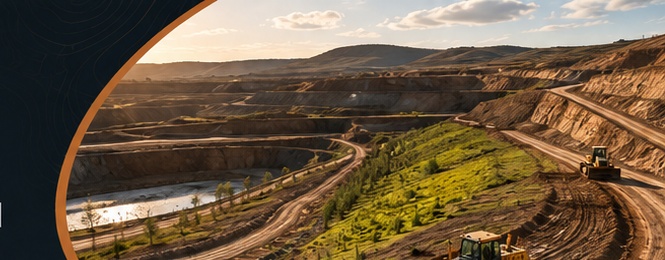
Rehabilitation commitments are often well documented.
The challenge is turning those commitments into a practical earthworks program that can be planned, procured, scheduled and delivered safely.
A rehabilitation plan may define the intended landform, drainage, growth media and revegetation outcomes. But before machinery can begin work, those requirements still need to be translated into something mine planners, surveyors, production teams and contractors can execute.
That is where rehabilitation programs can lose momentum.
Areas may not be released when expected. Suitable material may not be available where it is needed. Designs may not reflect current site conditions. Contractor scopes may lack clear quantities, quality requirements or completion criteria. Rehabilitation work may also compete with production priorities for equipment, people and access.
The result can be delay, rework, escalating cost and rehabilitation that does not fully achieve the intended environmental or closure outcome.
Successful rehabilitation execution begins well before the earthmoving equipment arrives on site.
Early alignment before mobilisation
It requires early alignment between environmental, mine planning, survey, operations and contractors around:
- the area to be rehabilitated;
- the intended final landform and drainage outcome;
- material types, quantities and placement requirements;
- access and interaction with active mining areas;
- survey controls, hold points and tolerances;
- erosion and sediment controls;
- topsoil or growth-media requirements;
- quality assurance and completion evidence; and
- seasonal constraints and realistic delivery schedules.
Rehabilitation as an operational delivery program
I have led teams responsible for large-scale progressive rehabilitation and worked across closure earthworks involving waste-rock landforms, tailings facilities, capping, reshaping and revegetation.
One lesson has remained consistent: rehabilitation works best when it is treated as an operational delivery program, not as an environmental activity occurring at the edge of production.
My Environmental Engineering background helps me understand the performance outcomes that rehabilitation must achieve. My mining qualifications and practical production experience allow me to engage effectively with mine planners, technical services, surveyors, supervisors and earthmoving contractors about how those outcomes can actually be built.
A practical delivery approach
A practical delivery approach may involve:
- confirming the rehabilitation objectives and design basis;
- developing clear scopes of work and technical specifications;
- supporting tendering and contractor evaluation;
- integrating the program with mine plans and production schedules;
- defining inspection points, survey requirements and completion criteria;
- supervising delivery against scope, quality, cost and schedule; and
- documenting completed work and lessons for future campaigns.
Good rehabilitation execution is not simply about moving material into its final position. It is about connecting environmental objectives with mine planning, operational realities and disciplined contractor delivery.
This is an area where NG Mining Environmental can provide practical client-side support - from defining the work and engaging contractors through to supervising the completed earthworks.